
HISTORY & WHAT TO EXPECT
Many visitors to Holland are looking for signs of our Dutch heritage and find examples all throughout town. However, the place to go to get a taste of our area's Dutch history and culture is Windmill Island Gardens!
Photos courtesy of hollandmuseum.org-
![Rev. Albertus Van Raalte, 1847]()
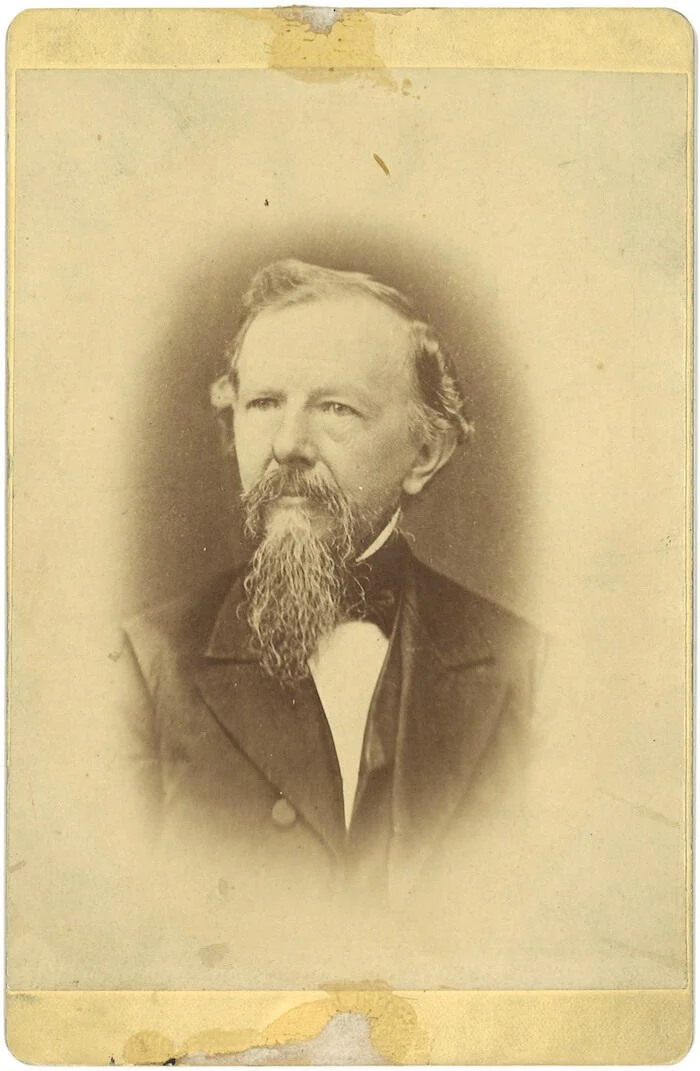
1847
The City of Holland is founded by a group of Dutch settlers including Rev. Albertus van Raalte. The group was the first of thousands of Dutch to arrive in West Michigan over the next several decades.
-
![Black and white photo of Lida Rogers, sitting among tulips in 1929]()
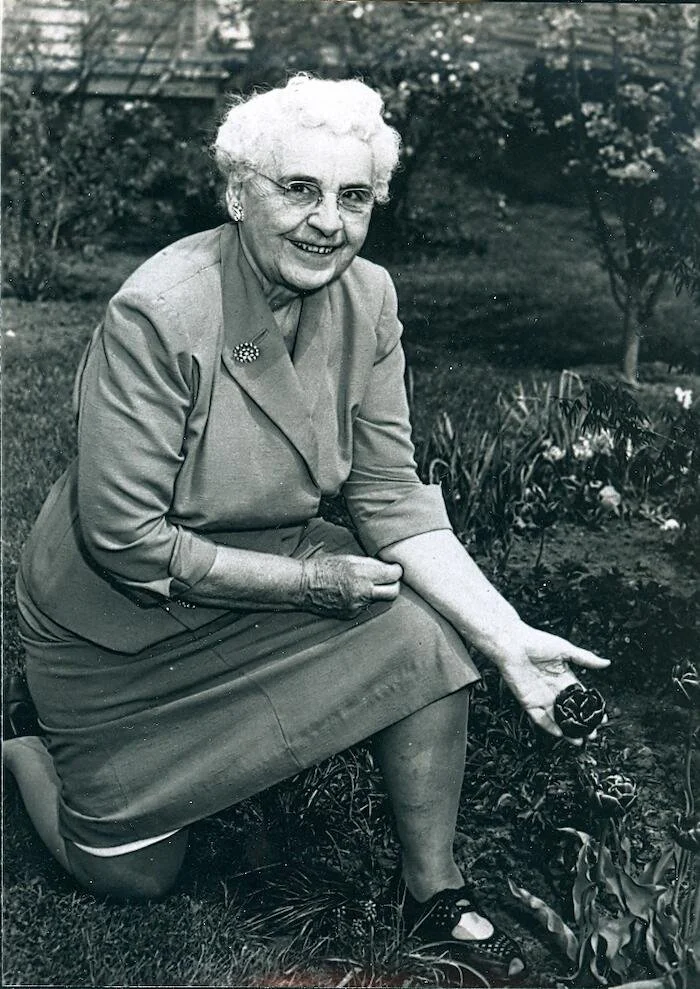
1929
The first Tulip Time festival was held in Holland. The idea originated with Lida Rogers, a local schoolteacher, who suggested planting tulips to honor the area’s Dutch heritage.
-
![black and white image from 1947 of street organ at dutch village with two girls in dutch costumes holding buckets in front]()
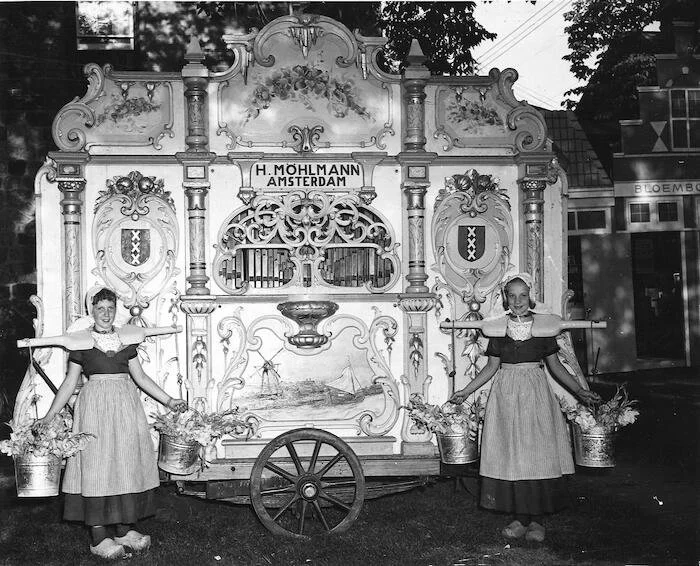
1947
The City of Amsterdam donates the ‘Four Columns’ street organ to the City of Holland. The gift recognizes gifts and support of the community to the motherland following World War II.
-
![Black and white image of 5 founding fathers of Holland, looking at plans]()
1961
City Fathers led by Carter Brown and Willard Wichers meet about procuring a Dutch windmill to honor the area’s heritage.
-
![DeZwaan Windmill, Holland, Michigan in 1964]()
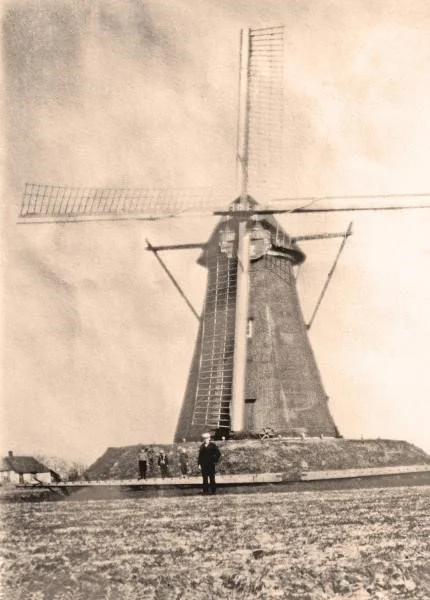
1964
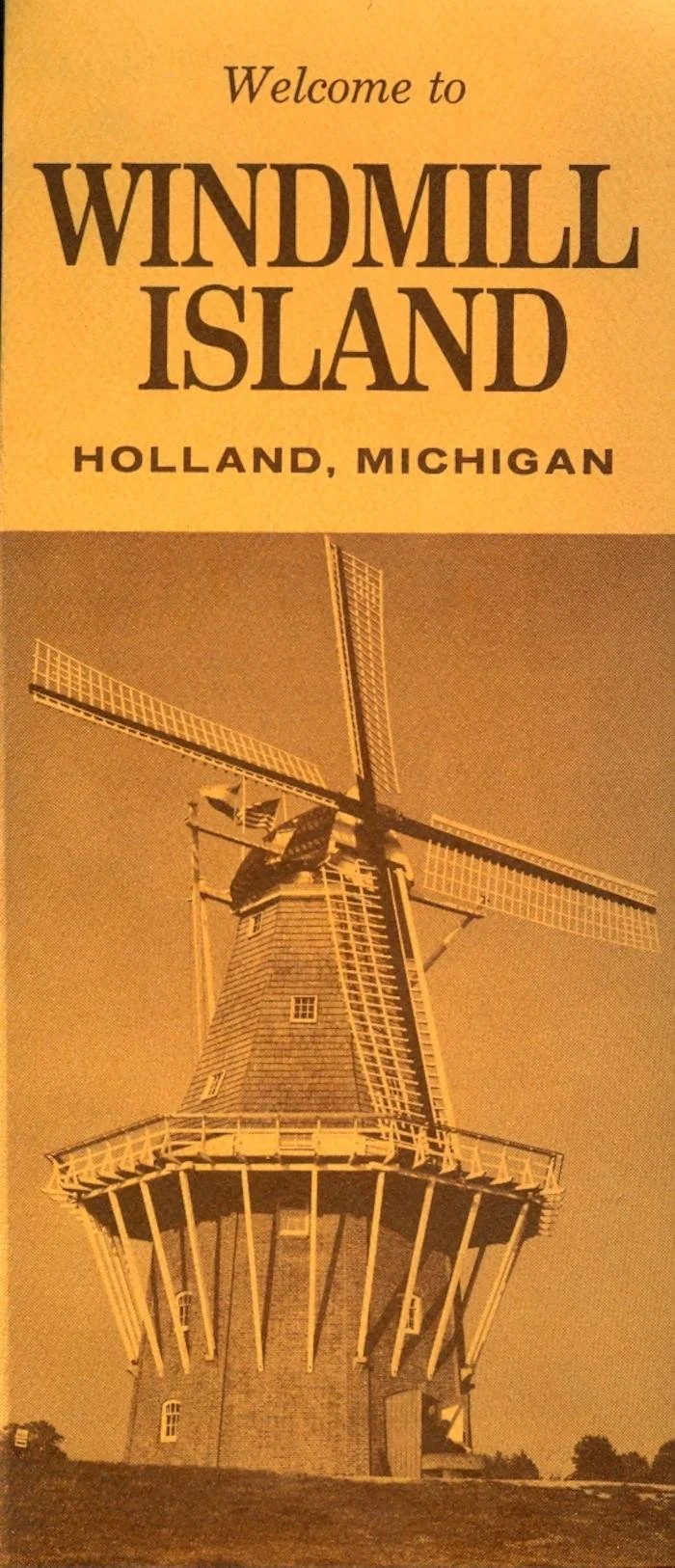
After several years of work, permission is granted to relocate the windmill ‘de Zwaan’ to the United States in 1964. It is taken down in the Netherlands and re-erected in Michigan that winter.
-
![DeZwaan windmill, Holland, Michigan in 1965]()
1965
Windmill Island opens to the public. Tens of thousands of visitors tour the windmill along with other Dutch attractions and gardens.
-
![Windmill Island Gardens Carousel circa 1971]()
1971
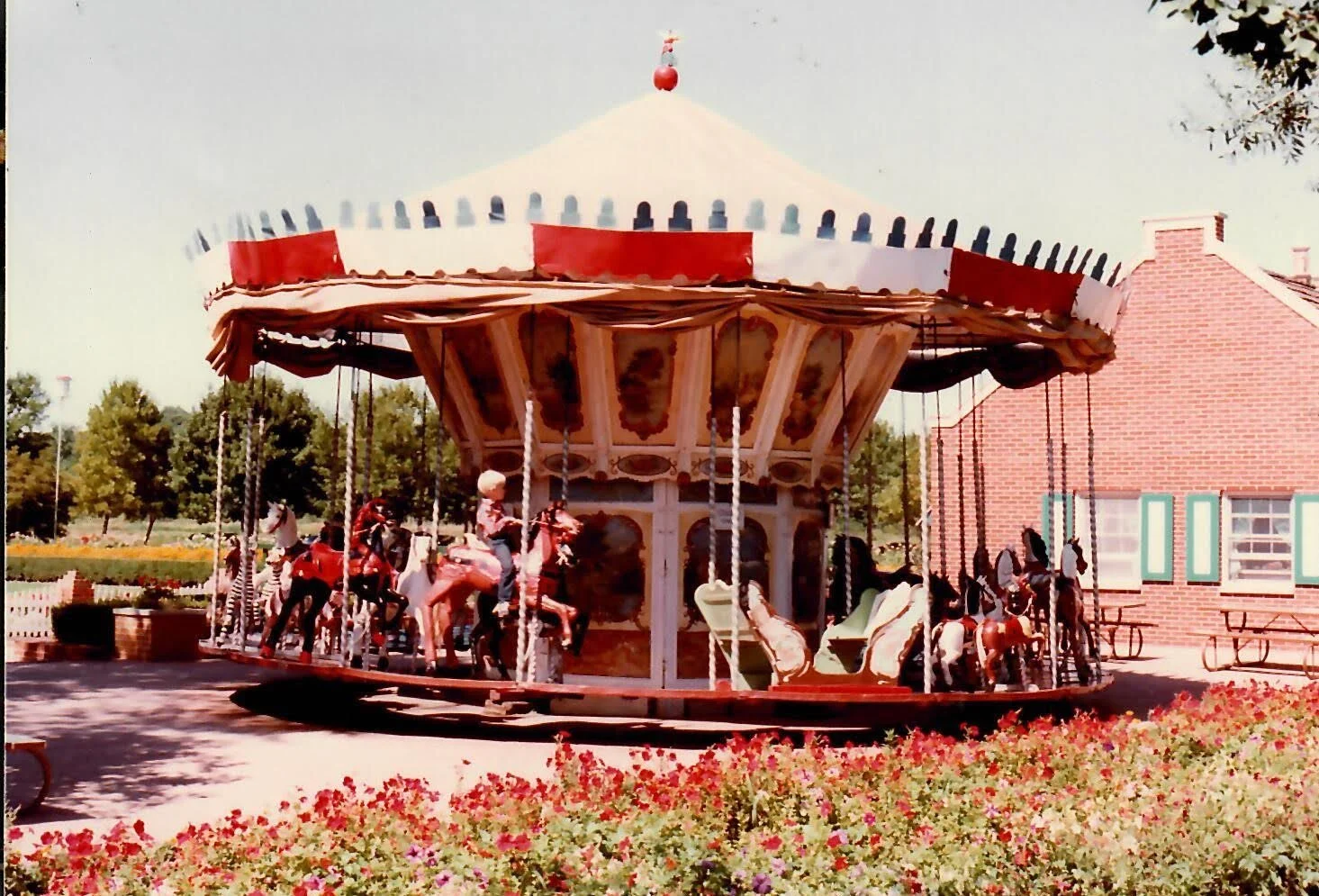
The third ‘Dutch treasure’ arrives at Windmill Island. A children’s carousel is purchased from owners in the province of Groningen and brought to West Michigan.
-
![DeZwaan Windmill, Holland, MI under consturction in 2013]()
2013
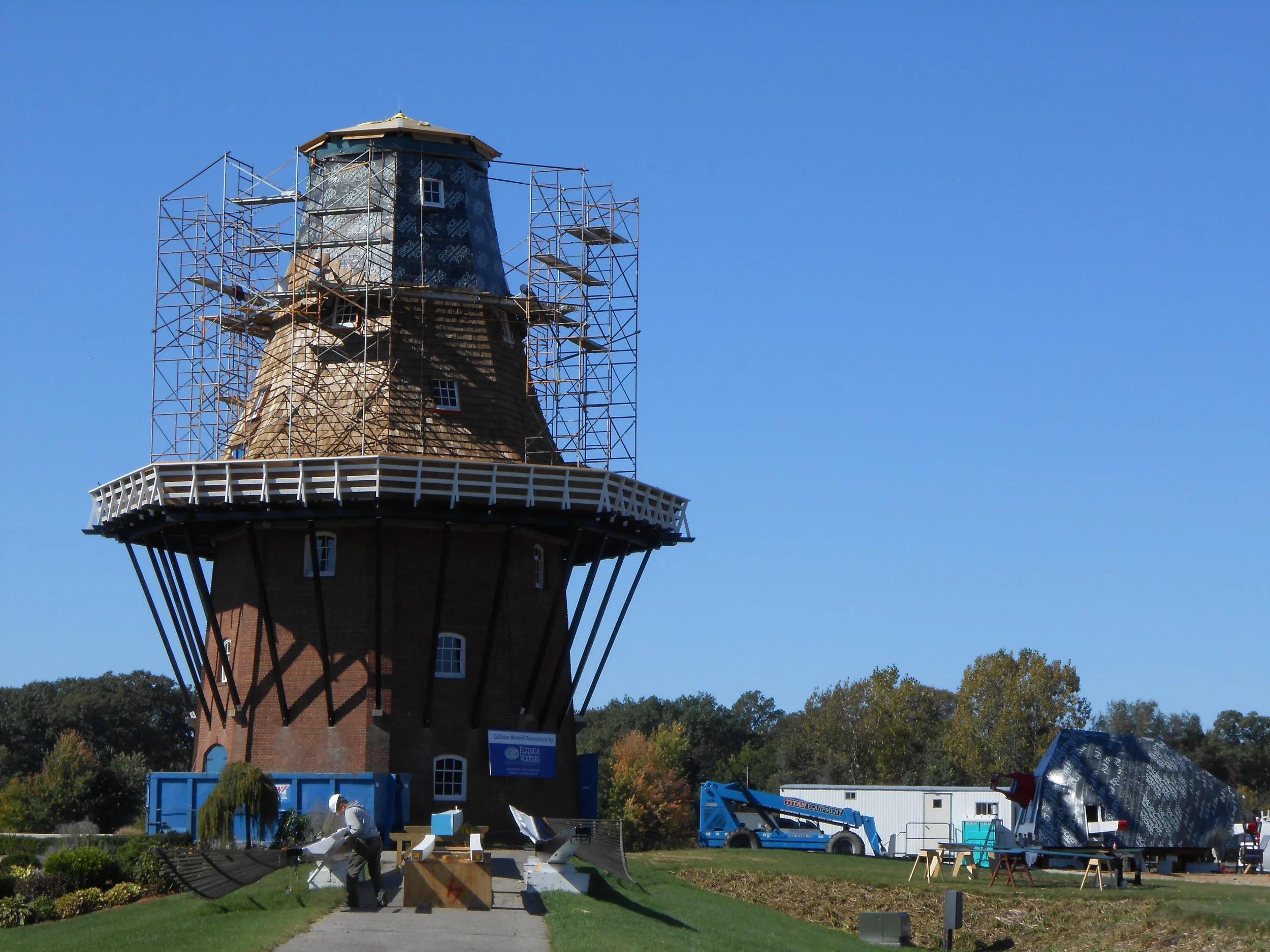
After millwrights discover major structural issues, a multi-million dollar restoration project returns the windmill to working order. The project was made possible by community donations both large and small.


A group of City Fathers in the 1950s and 60s recognized the importance of keeping Dutch heritage alive.
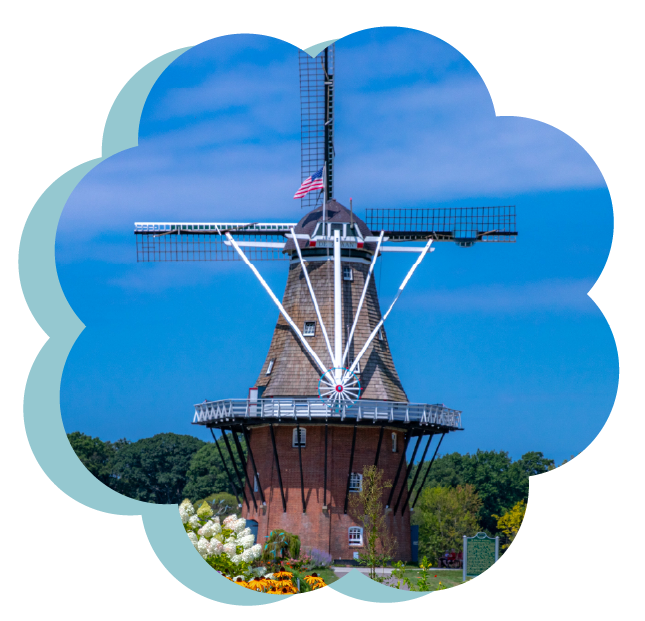
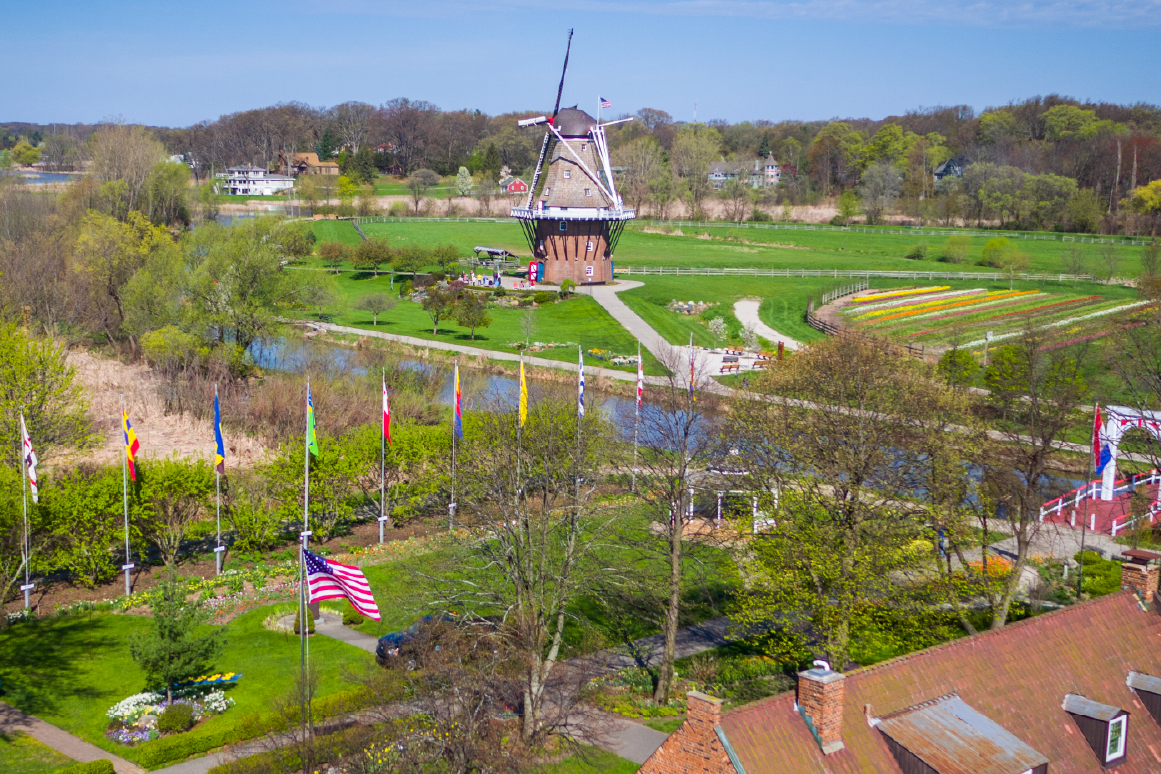
They wanted to provide a place where community members and visitors could gather. They were able to procure the last windmill allowed to leave the Netherlands in 1964. The historic windmill 'de Zwaan' (The Swan) is the highlight of our park and stands amongst over 36 acres of exhibits, gardens, and natural areas. The mill still turns and grinds grain into flour and a self-guided tour up 5 floors is the highlight of any visit to the park!
THE MILL
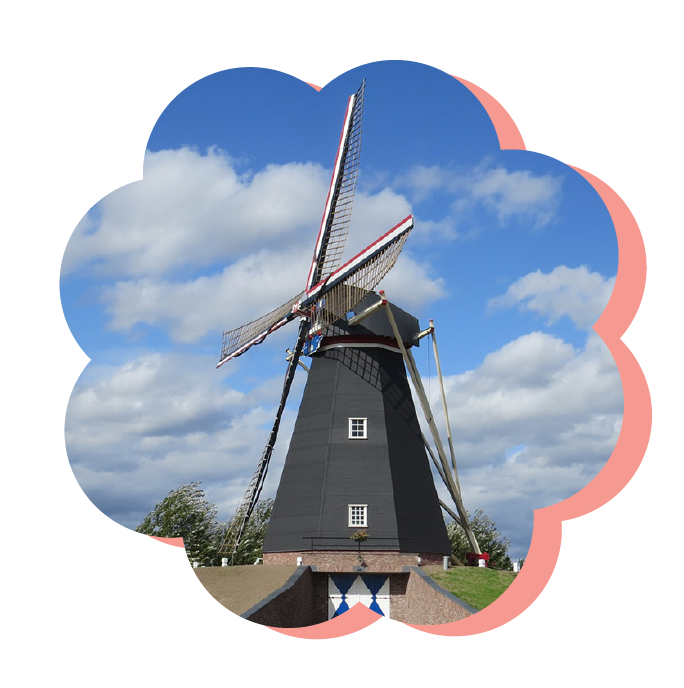
Our park was built around the windmill 'de Zwaan' (the Swan, in English.) The mill was brought over from Vinkel, Noord Brabant, the Netherlands in 1964 with the park officially opening the following year in 1965. Guests can enjoy a self-guided tour of the mill with docents available for questions along with a video tour to explain more in-depth and for those who cannot climb the stairs to explore the 5 floors of the windmill. The mill still turns and is able to grind grain into flour.
DE ZWAAN WINDMILL
OUR SISTER MILL
We are also excited that we have a 'sister mill' in Vinkel! Decades after De Zwaan was sold to Holland, Michigan, a group of volunteers got together and worked tirelessly to build a new mill in Vinkel, Noord Brabant, the Netherlands along with a community meeting space underneath. The mill was opened in 2020.
OUR MILLERS
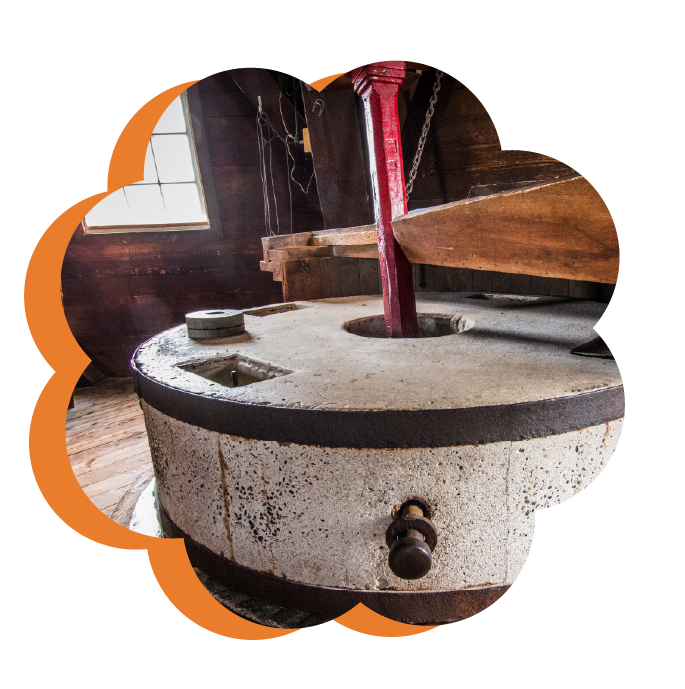
Operating a windmill is a historic craft. We are proud to have a small group of dedicated millers who operate de Zwaan. Of course, we’re always looking to add others to this team to keep the craft alive as well as assist with things like packaging and maintenance.
THE FLOUR
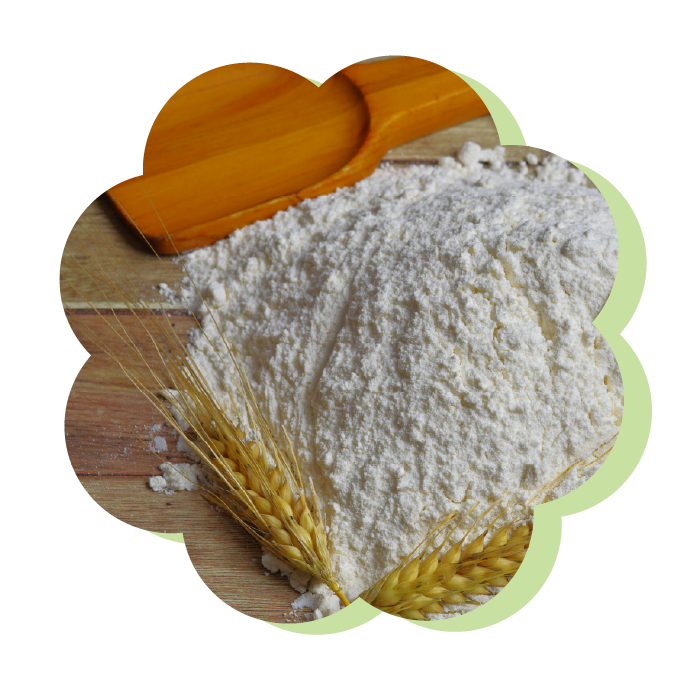
While many mills in the Netherlands pump water, ours is a grain-grinding mill. De Zwaan can turn hundreds of pounds of wheat into flour in a matter of hours. We also occasionally mill other grains such as corn or barley. Please note that flour is not currently available as we are working to become re-certified.
36

2025 WINDMILL STATS
TURNING DAYS
46,635
YEARLY ROTATIONS


A MICHIGAN TREASURE
EXPLORE OUR GARDENS
POSTHOUSE DUTCH GARDENS
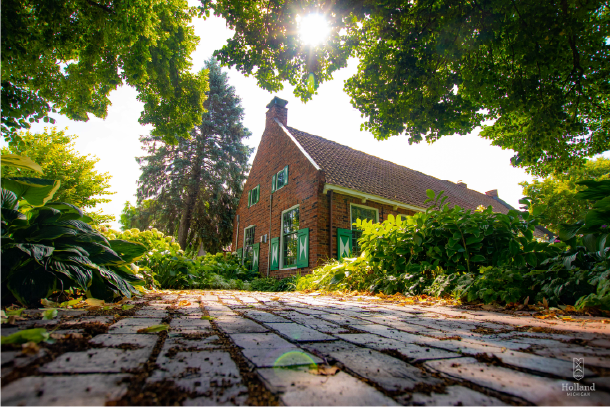
Honoring the Dutch history of formal gardens while the exemplifying the modern Dutch “New Perennial Movement”, our gardens surrounding our Posthouse burst with season-long color and breathtaking views.
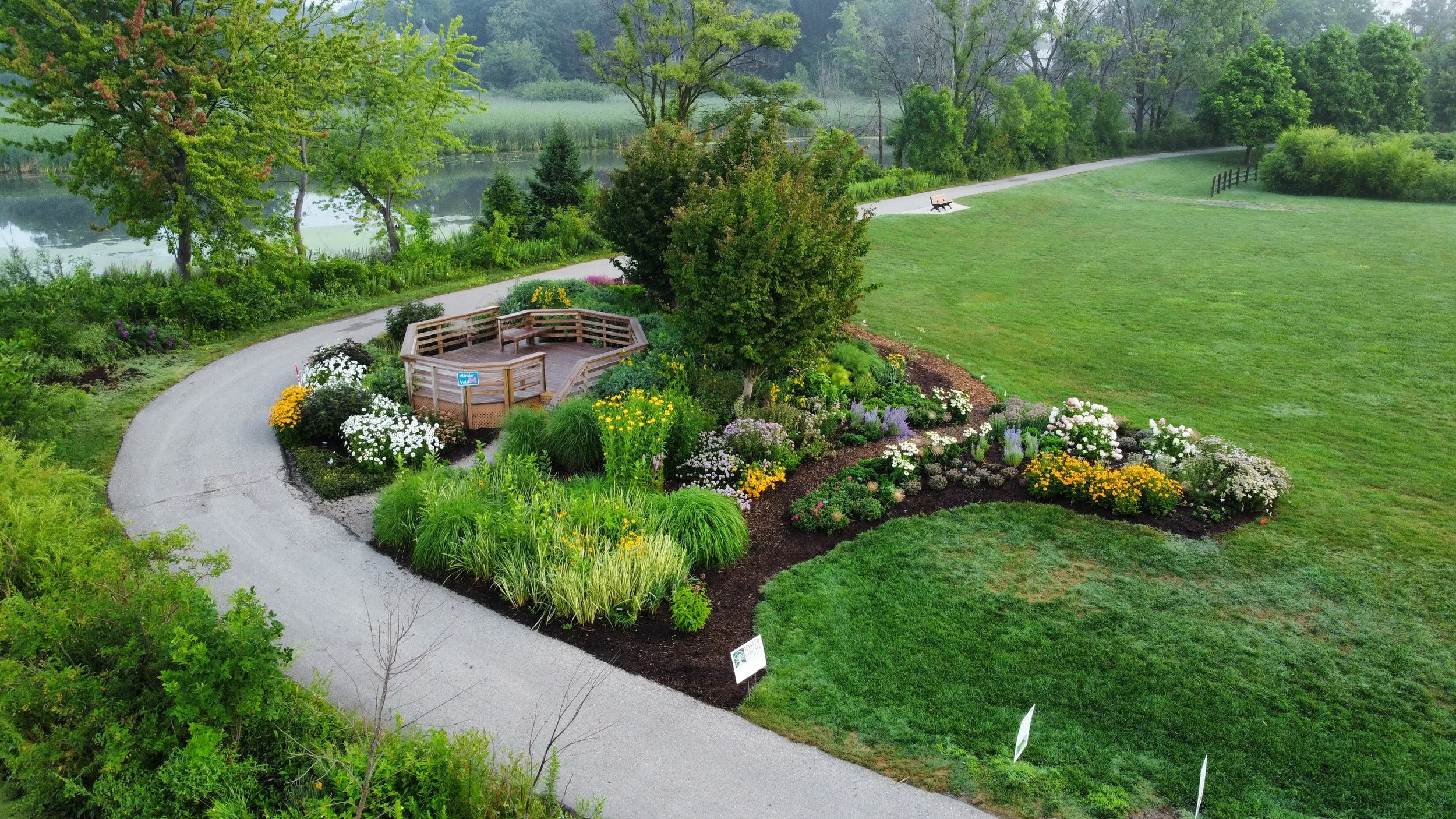
NATIVE POLLINATOR GARDEN
In partnership with the Michigan State University Master Gardener Program, our native pollinator garden shows the beauty and benefits of native plants.
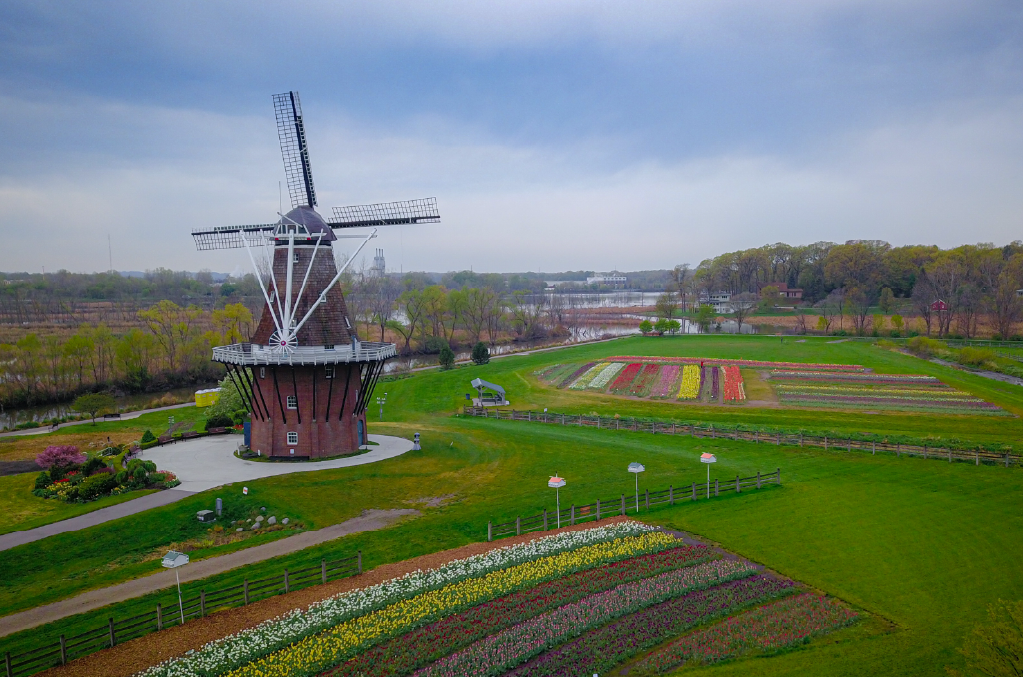
TULIP & COVER CROP FIELDS
With the backdrop of our historic Dutch Windmill, our 2 acres of tulip fields are a sight to behold in mid-spring – but they don’t lose their magic when the tulip petals drop! See rotational cover-cropping at work throughout the summer as the ground prepares for another spectacular tulip display.
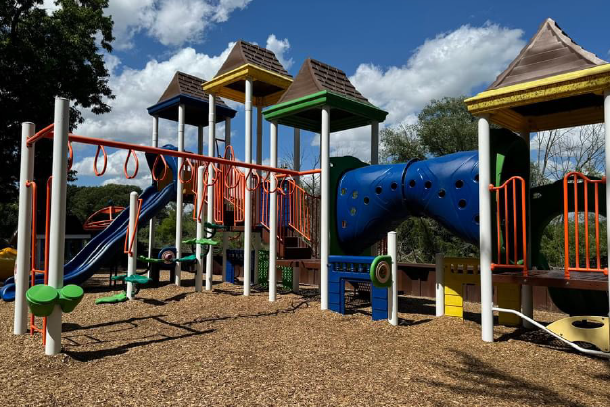
CHILDREN’S GARDEN
The whole family will enjoy a mystical boxwood maze, close encounters with feathered friends and a play structure near our children’s carousel.
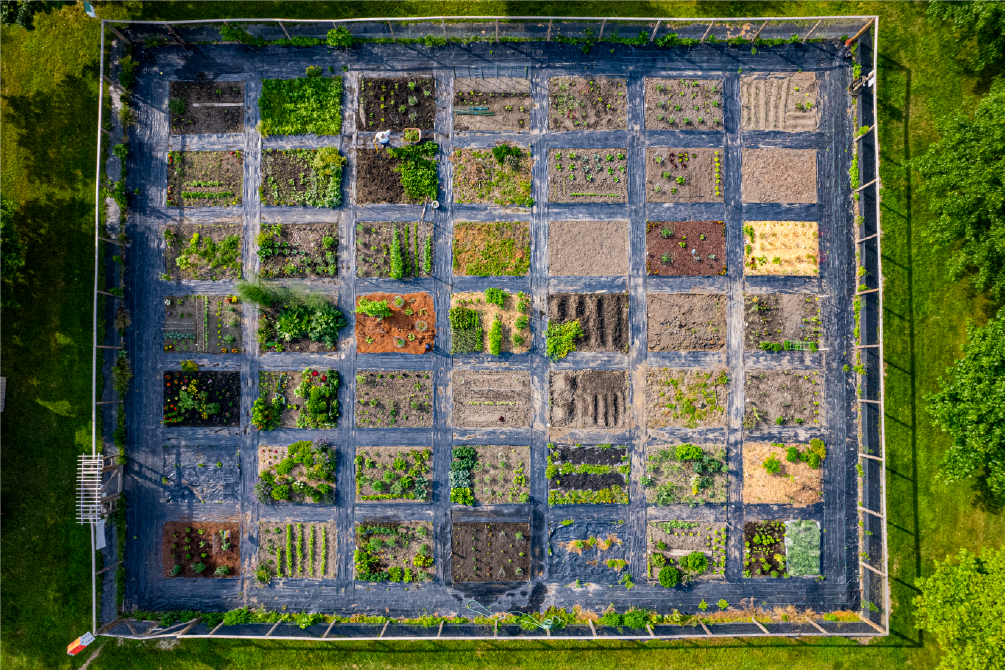
‘DE GEZELLIGE TUIN’ - THE COMMUNITY GARDEN
With 49 plots, this garden continues the Dutch tradition of Volkstuinen - or people's gardens - where the community comes together to enjoy growing food, flowers, and friendships. For further details or plot availability, please contact greenhouse@cityofholland.com.
WHAT’S BLOOMING?
When entering our park, find our “Blooming Now” display under our park map to see which species are looking in their prime that week. For a sneak peek, check out the listings below!
-
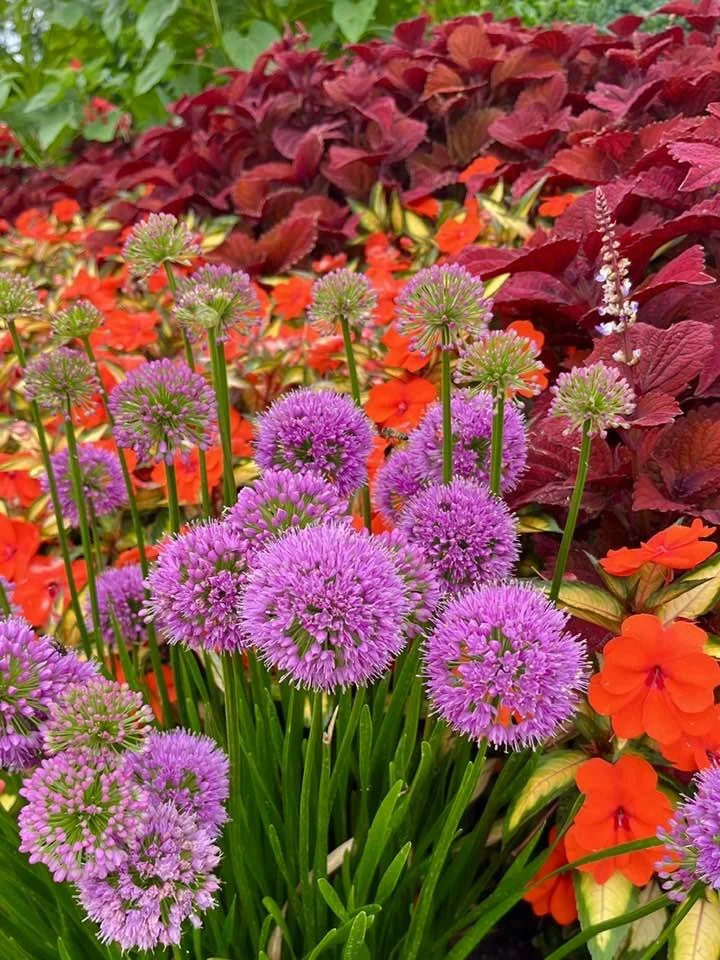
Allium
Allium spp.
The largest ornamental member of the onion family is scattered throughout our gardens, with our largest display being right beneath our line of flags. With large, spherical heads of small star-shaped flowers, Allium is a hard to miss must-see here in our gardens.
-
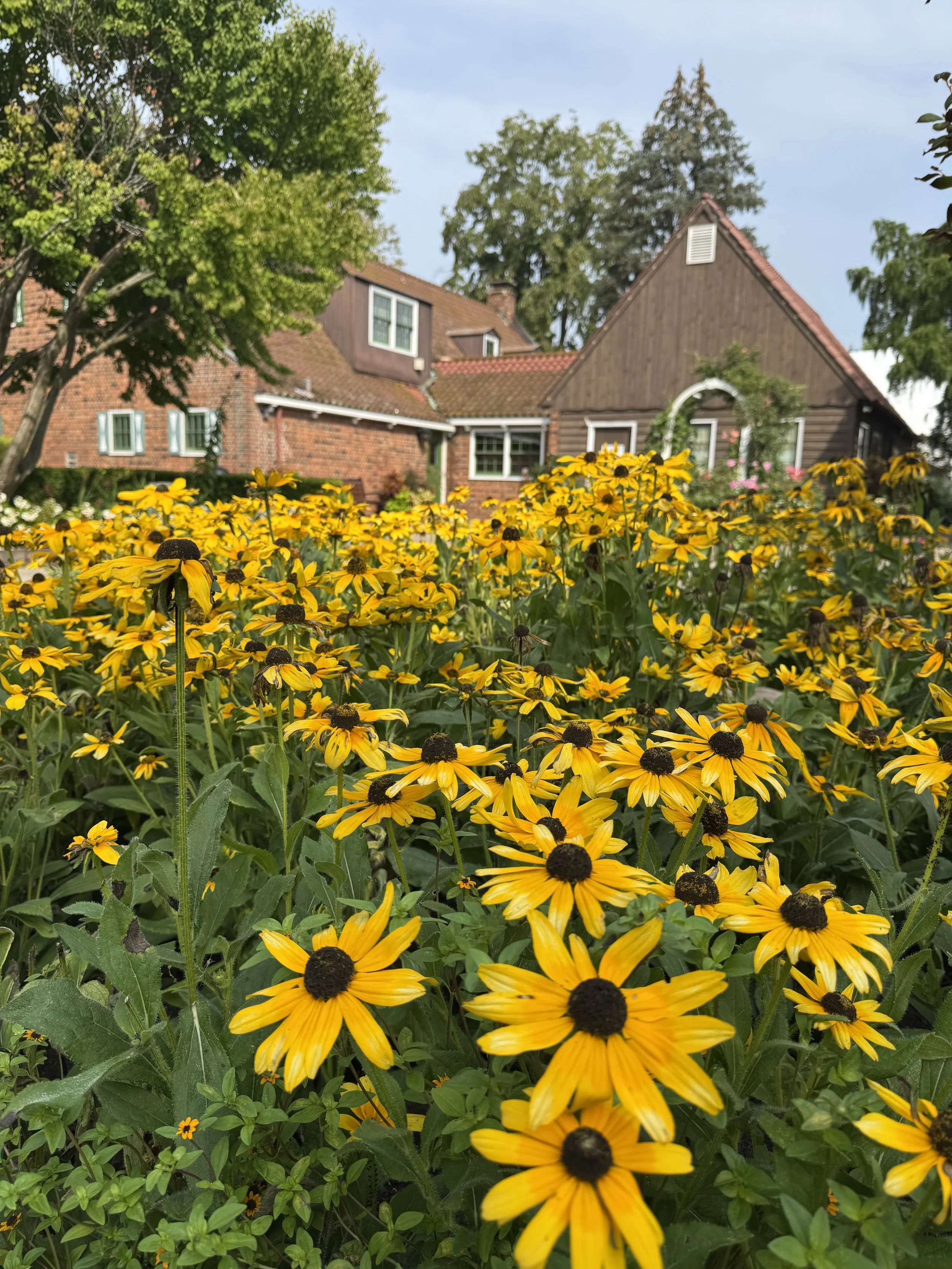
Black Eyed Susan
Rudbeckia hirta
Cousin to sunflowers and coneflowers, black-eyed susans are a cheerful North American native featuring bright yellow blossoms. Fun fact about black-eyed susans: they are the state flower of Maryland! They are also biennial in the wild, and are prone to a funky little mutation called fasciation which makes the flower appear warped or elongated.
-
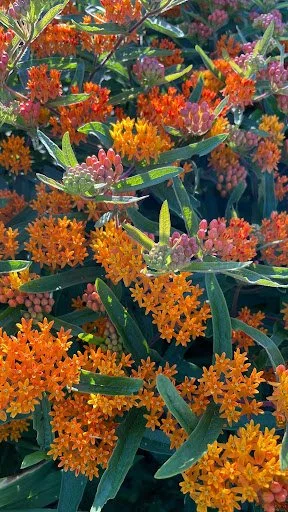
Butterfly Weed
Asclepias tuberosa
Butterfly Weed, a native to North America hanging out around our Post-House, is a relative of milkweed and a popular perennial for monarch waystations. Indigenous peoples used its roots to treat lung inflammation and other pulmonary ailments. Now, the plant mainly serves as a host for dozens of specialized and generic insect species found in Michigan.
-
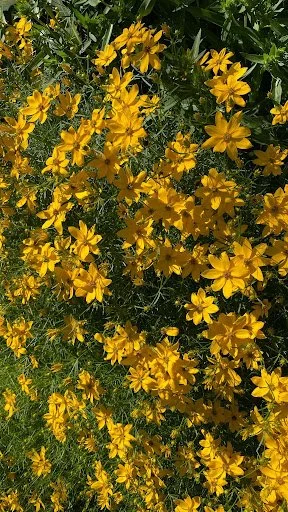
Calliopsis
Asteraceae Coreopsis spp.
Once used as a source for vibrant fabric dyes by the Indigenous peoples of North and South America, Calliopsis forms a beautiful flowering ground cover with notch-petaled yellow flowers. If you find yourself by our Organ House, you can easily spot a carpet of these flowers by their golden glow.
-
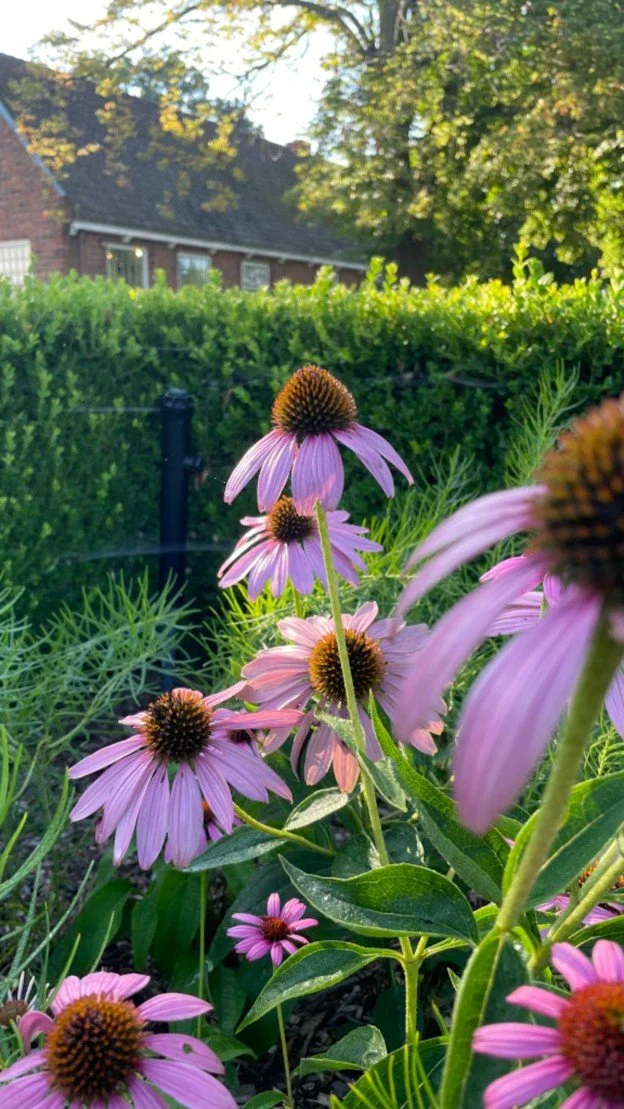
Coneflower
Echinacea purpurea
Not only are our black-eyed susans blooming right now, but so are their close cousins the coneflowers. Mostly native to the central US, the genus Echinacea is drought-tolerant, an attractant for most day-time pollinators, and serves as an herbal immune booster! Like the other members of the aster plant group, coneflowers are actually made up of two different flower types tightly clustered together: “ray” flowers which resemble petals, and “disk” flowers which make up the spherical center.
-
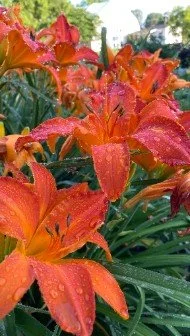
Daylily
Hemerocallis hybrida
The star of any show, these lilies can be found all over our park! Coming in a large variety of colors, ranging from yellows and reds to pinks and white. Each bloom only lasts for a day, but the stems has several buds as “the show must go on!”
-
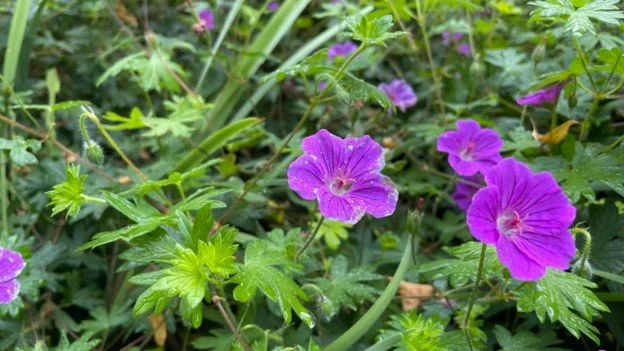
Geranium
Geraniaceae Geranium spp.
Scattered around our Organ House and Post-House, we have small clusters of perennial geraniums (yes, they do come as a perennial!). Native to regions of Eastern and Central North America, these plants are the true “Geranium”; the annual Geraniums commonly bought are from a different genus of plants native to Southern Africa.
-
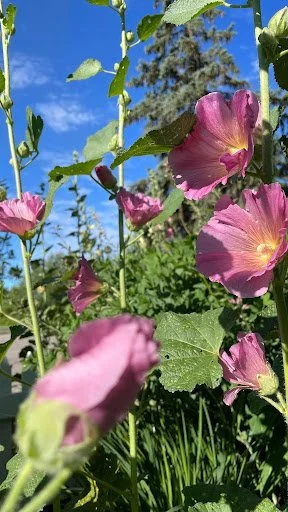
Hollyhock
Alcea Rosea
Fun fact about Holyhocks: they bloom in every color—even a near-black shade—except for blue! These members of the hibiscus family native to China, Turkey, and Southwestern Asia tend to be biennial and only flower in their second year. Here at Windmill, they can be found along the fence at the entrance to the gardens close to the Organ House.
-
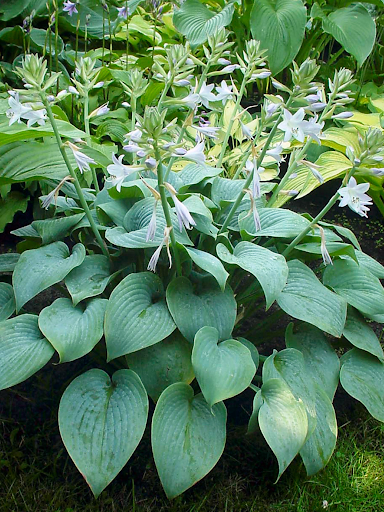
Hosta
Asparagaceae Hosta Tratt. spp.
Nicknamed the “friendship plant” because they’re easy to dig up and share with others, Hostas can be found everywhere in our garden under trees and in pools of shade. Their flowers scale from white to deep-purple with a tubular, bell-like shape.
-
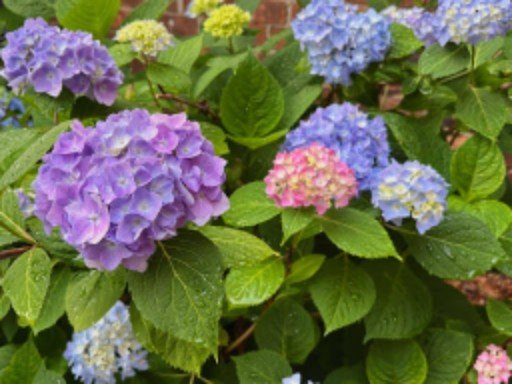
Hydrangea
Hydrangea macrophylla
With stunning colors, the flowers are worth taking a peek at! They can be found in several places around main campus, including the near the posthouse. The vibrant hues of pinks, blues, and purples are due to varying levels of pH in the soil.
-
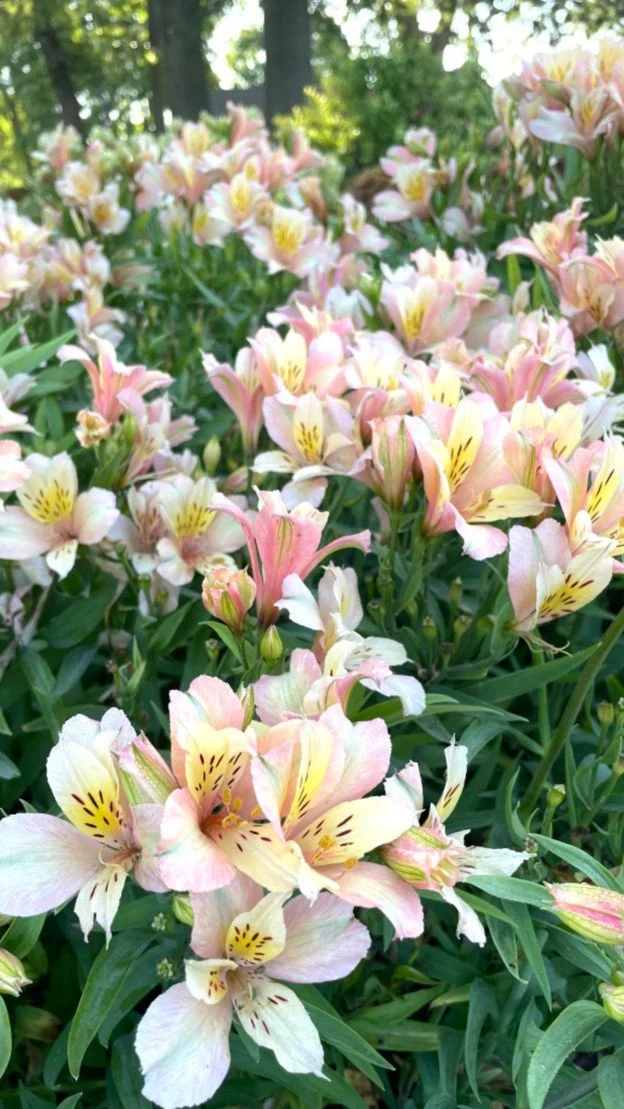
Peruvian Lily
Alstroemeria
Native to the mountains and coastal regions of South America, the Peruvian Lily has found its way to our gardens thanks to the intensive Dutch hybridizations that have played a part in transforming this plant into a garden staple. Fun fact: it’s not actually a lily, and it's not actually native to Peru! But we’re happy to see its pastel trumpets sprinkled everywhere all the same.
-
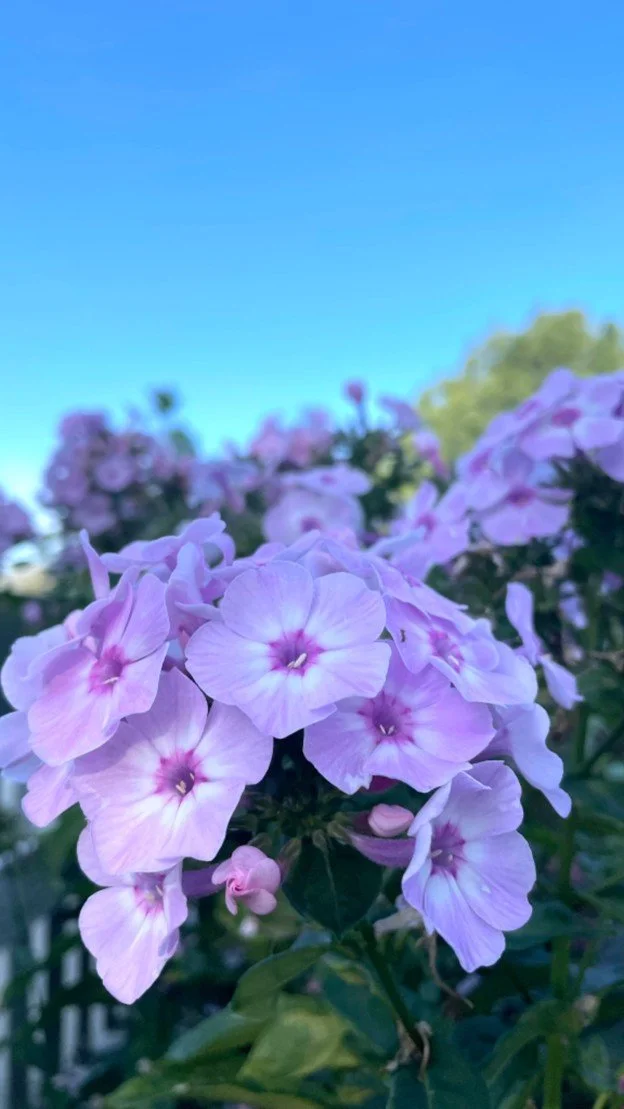
Phlox
Phlox paniculata
These brightly colored flowers are a beautiful highlight to our gardens. The name “phlox” comes from the Greek for ‘flame’ because of the fiery hues of their petals. You can find them in full sun areas all over the park.
-
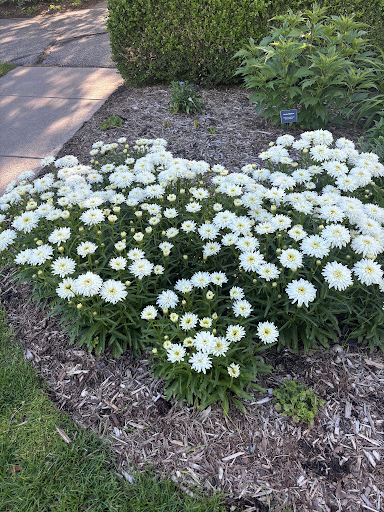
Shasta Daisy
Asteraceae leucanthemum spp.
Out by our Post-House, a small cluster of stars pokes up through the ground. Once used in temperate regions of Europe and Asia as cough and cold relief, this particular cultivar of shasta daisy has the puffed appearance of a chrysanthemum paired with the star-shaped centers of a daisy that bees and butterflies love.
-
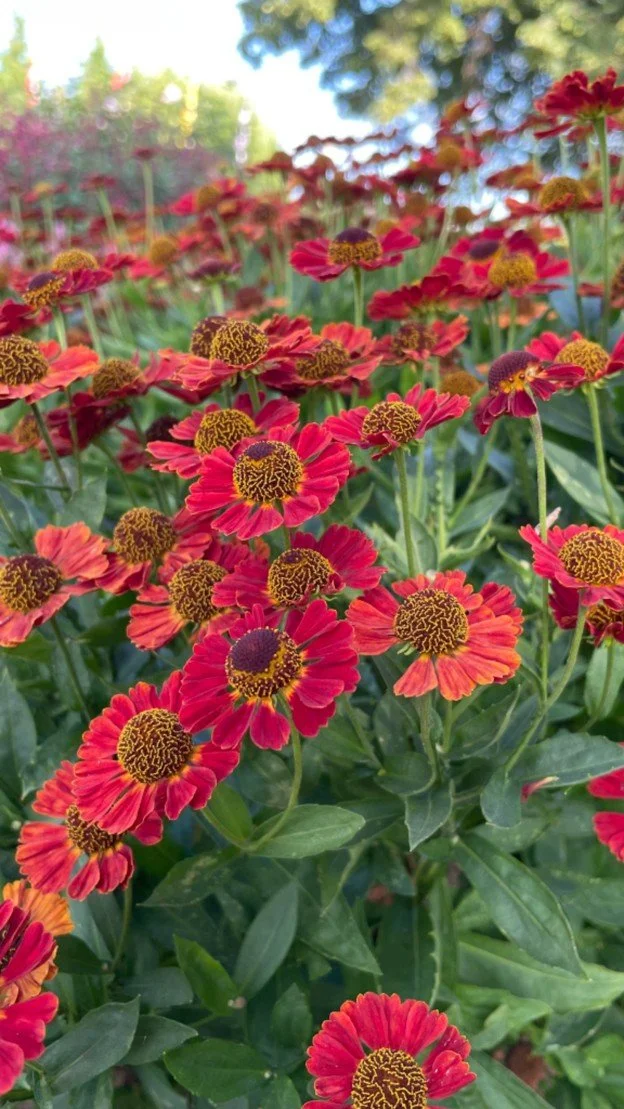
Sneezeweed
Helenium autumnale
Another North American native currently blooming is Sneezeweed, a late-season flower that feeds pollinators after most of July’s blooms have faded. Sneezeweed doesn’t actually cause sneezing: the dried flower was used indigenously as a sneeze inducer to clear congestion and relieve mild colds. Another common name for sneezeweed is Helen’s Flower, a reference to the botanical myth that these flowers grew from where Helen of Troy’s tears fell during the Trojan War.
-
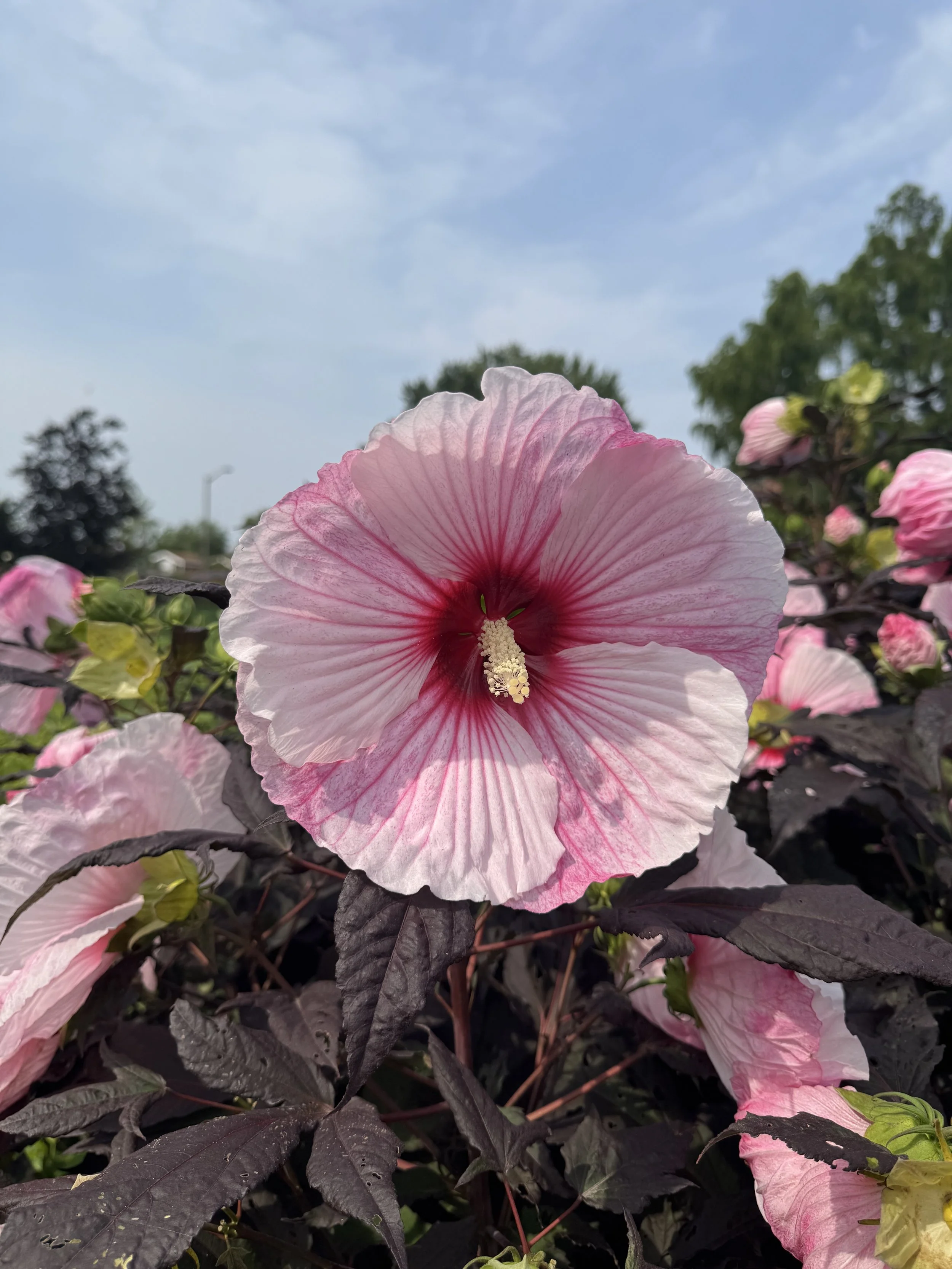
Swamp Rose Mallow
Hibiscus moscheutos
One of the most eye-catching plants blooming in the gardens right now is Marsh Rose Mallow, a cold-hardy shrub with dinner-plate sized flowers. A member of the hibiscus genus native to Eastern North America, Marsh Rose Mallow is a gorgeous pollinator magnet that—unlike its tropical siblings—dies back in winter and reemerges in spring.
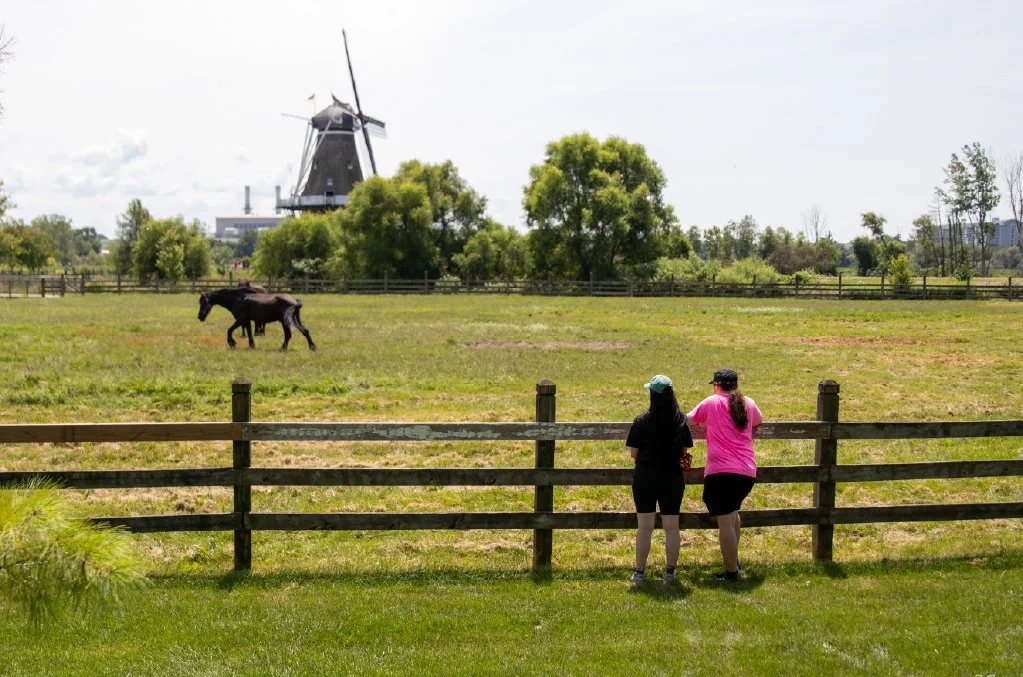
MORE TO DISCOVER
In addition to our formal gardens, our site also features a nearly 1 mile-long walking loop that allows visitors to explore woods, wetlands, and waterways.
This walking loop also takes you past our Friesian Horse pasture, where you can see these magnificent Dutch beauties grazing in the summer months, as well as a variety of wildlife along the way. Please note, horses are not in the park until after the Tulip Time Festival and are dependent on availability. Currently, there are no horses on the island.

AMERICAN PUBLIC GARDENS ASSOCIATION & THE AMERICAN HORTICULTURAL SOCIETY
Windmill Island Gardens is a proud member of the American Public Gardens Association and American Horticultural Society. A current membership to Windmill Island Gardens, American Horticultural Society, or other participating gardens entitles you to special reciprocal admission privileges and discounts at over 300 gardens!
(Please note that reciprocal admission to Windmill Island Gardens does NOT apply during Tulip Time and other special events.)

SEE UPCOMING EVENTS
Discover the magic of every season at Windmill Island Gardens! From hands-on gardening classes to family-friendly festivities, there’s always something blooming. Check out our upcoming events and plan your visit today!

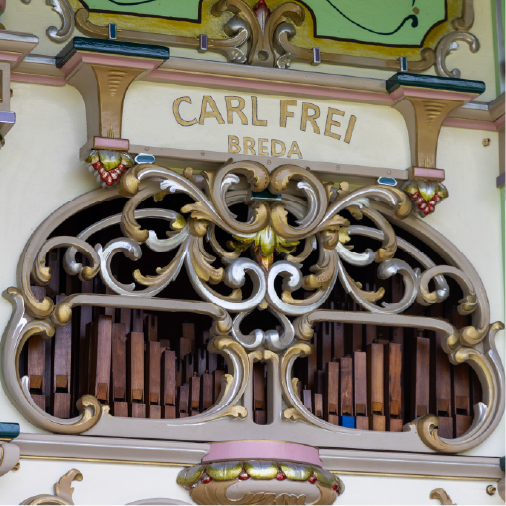
Music played from a working street organ - a gift from the City of Amsterdam after World War II
Rides on an antique Children's carousel for ages 12 and under - complete with hand painted horses and other animals
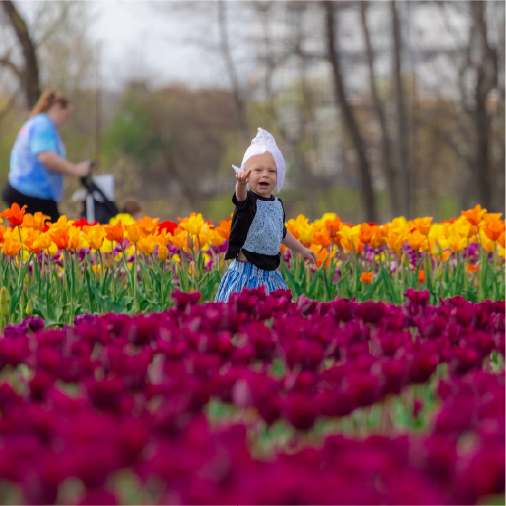
Over 180,000 tulips in bloom for several weeks in late April and early May
Thousands of annuals and perennials in bloom through spring, summer and fall
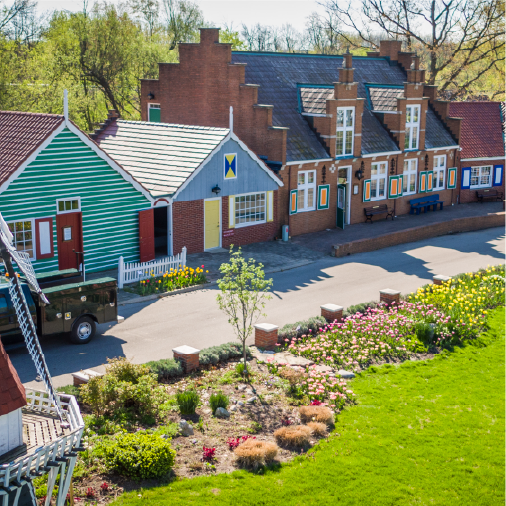
Replica structures including a wayside inn, fisherman's houses, an orphanage, and a working mailbox
The historic Little Netherlands display showing life in the low countries in the 1840's when Holland was founded
A permanent 'Tulip Grove' carved from old-growth oak trees
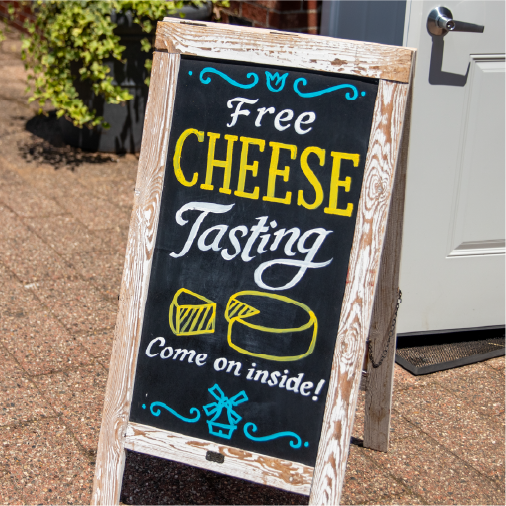
A gift shop featuring Dutch treats including cheese tasting as well as a wide variety of souvenirs
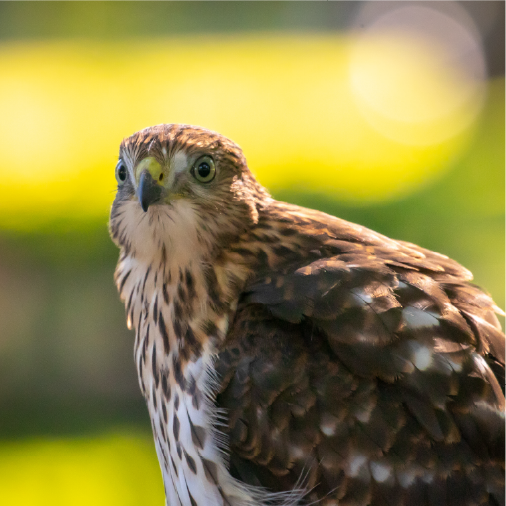
Beautiful walking trails featuring natural areas and wildlife including many bird species that call the Macatawa River delta home
The Conservatory filled with a variety of tropical plants
ISLAND VISITORS CAN ALSO ENJOY:
WHEN VISITING THE ISLAND, PLEASE NOTE THE FOLLOWING POLICIES
Please refrain from consuming any plant material on the grounds.
Do not dig up or disturb planted areas.
Kindly leave all flowers and plants undisturbed for others to enjoy.
Drone use is prohibited without prior authorization.